Even with strict maintenance, you can’t make a hot water system last forever. Upgrading your hot water system is a significant investment, but it can offer substantial benefits, including a more efficient hot water system, improved energy savings, and enhanced comfort.
Fortunately, homeowners in Western Australia have access to the Federal Government’s Rebates and financial incentives that are designed to make this transition more affordable. In this article, we’ll teach you about the current hot water rebates available to homeowners in Western Australia.
Need a new hot water system ASAP? We’re here to help! With no call-out fees, our team of friendly plumbers are happy to provide you with a free on-site quote for any hot water system.
The Federal Government’s Hot Water System Initiatives Available to Western Australian Homeowners
Federal Government rebates are available to everyone in Australia, regardless of the state they reside in. The conditions surrounding these financial incentives for hot water systems are the same for everyone.
Small-Scale Renewable Energy Scheme Program
The Small-Scale Renewable Energy Scheme is an Australian Federal Government program designed to encourage the adoption of renewable energy hot water systems, such as solar hot water systems and heat pump hot water systems. Under the initiative, eligible businesses and homeowners can earn Small-scale Technology Certificates (STCs) for installing energy-efficient products. These certificates can be sold or traded, providing a financial incentive to offset the purchase price of installing energy-efficient appliances and other renewable energy sources. The program aims to reduce greenhouse gas emissions and promote both energy efficiency and sustainable energy use.
Eligible Hot Water Systems Under the Small-Scale Renewable Energy Scheme
Not every hot water system qualifies for this rebate; the ones that do have excellent energy efficiency. These are the requirements for hot water system rebates:
- Solar hot water systems: with a capacity of up to 700L. Models over 700L require you to submit further information to verify that it is eligible energy-efficient equipment.
- Air source heat pump hot water systems: with a capacity of up to 425 L.
How Much Can I Save with the Small-scale Renewable Energy Scheme?
The savings from the Small-Scale Renewable Energy Scheme can vary depending on how many STCs you earn from your particular system installed, which depends on several factors, including the type and size of the water system. Furthermore, the price of STCs changes depending on market conditions. If you are in the market for a new hot water system and are interested in obtaining a hot water rebate under this program, you can use the STC online calculator to get a rough estimate of energy savings and reductions to your energy bills.
What Do I Need to Do to Get the Hot Water Rebate Under the Small-Scale Renewable Energy Scheme?
1. Chat to a plumber to determine if an eligible heat pump or solar hot water system is right for your household.
Whilst you may be saving on upfront costs by getting a rebate on a solar or heat pump hot water system, it may not be the right choice for your household water consumption. It’s best to chat to a Perth plumber first to learn more about the eligible energy-efficient hot water system that best suits your household’s needs and budget.
2. Get your new solar or heat pump hot water system installed.
A licensed plumber needs to install your new hot water system to get the rebate. In Western Australia, you are also required to supply a Major Plumbing Work Compliance Certificate, which your plumber can assist with.
3. Claim for the STCs.
There are a few ways to make the claim for the hot water rebate once your new system is installed. Chat to your plumber about the different options available to you. Once the installation is complete, your installer or a registered agent (for example, the hot water system manufacturer) can assist you in creating and registering your STCs through the REC Registry. Alternatively, you can choose to sell your STCs directly to an accredited certificate provider who will handle the paperwork for you. This is often done at the point of sale to reduce the upfront cost of your new hot water system.
The Household Energy Upgrades Fund
The Household Energy Upgrades Fund is a $1 billion Australian Federal Government initiative managed by the Clean Energy Finance Corporation (CEFC) that aims at helping homeowners improve the energy efficiency of their homes by providing discounted finance for various energy-efficient upgrades, including hot water systems. This program can help you get an energy-efficient hot water system sooner. You can also still apply for the above Small-Scale Renewable Energy Scheme Program with this program.
Eligible Hot Water Systems Under the Household Energy Upgrades Fund
Similar to the Small-Scale Renewable Energy Scheme, eligible hot water systems under the Household Energy Upgrades Fund include solar hot water systems and heat pump hot water systems. The same requirements apply.
What Do I Need to Do to Take Advantage of the Household Energy Upgrades Fund?
1. Chat to a plumber to determine what type of energy-efficient hot water system you need.
A plumber can help you assess your current needs and decide on the most energy-efficient hot water system that meets your home’s requirements. As well as provide specific model recommendations.
2. Speak to a participating lender.
Contact a participating lender to verify your eligibility and discuss the options available to you for funding, including energy-efficient appliances and energy-efficient products.
3. Contact an accredited hot water system installer.
Once you’ve finalised your financing options and eligibility details with the lender, you can get your brand new hot water system installed and start saving on household energy bills.
The State Government’s Hot Water Initiatives Available to Western Australian Homeowners
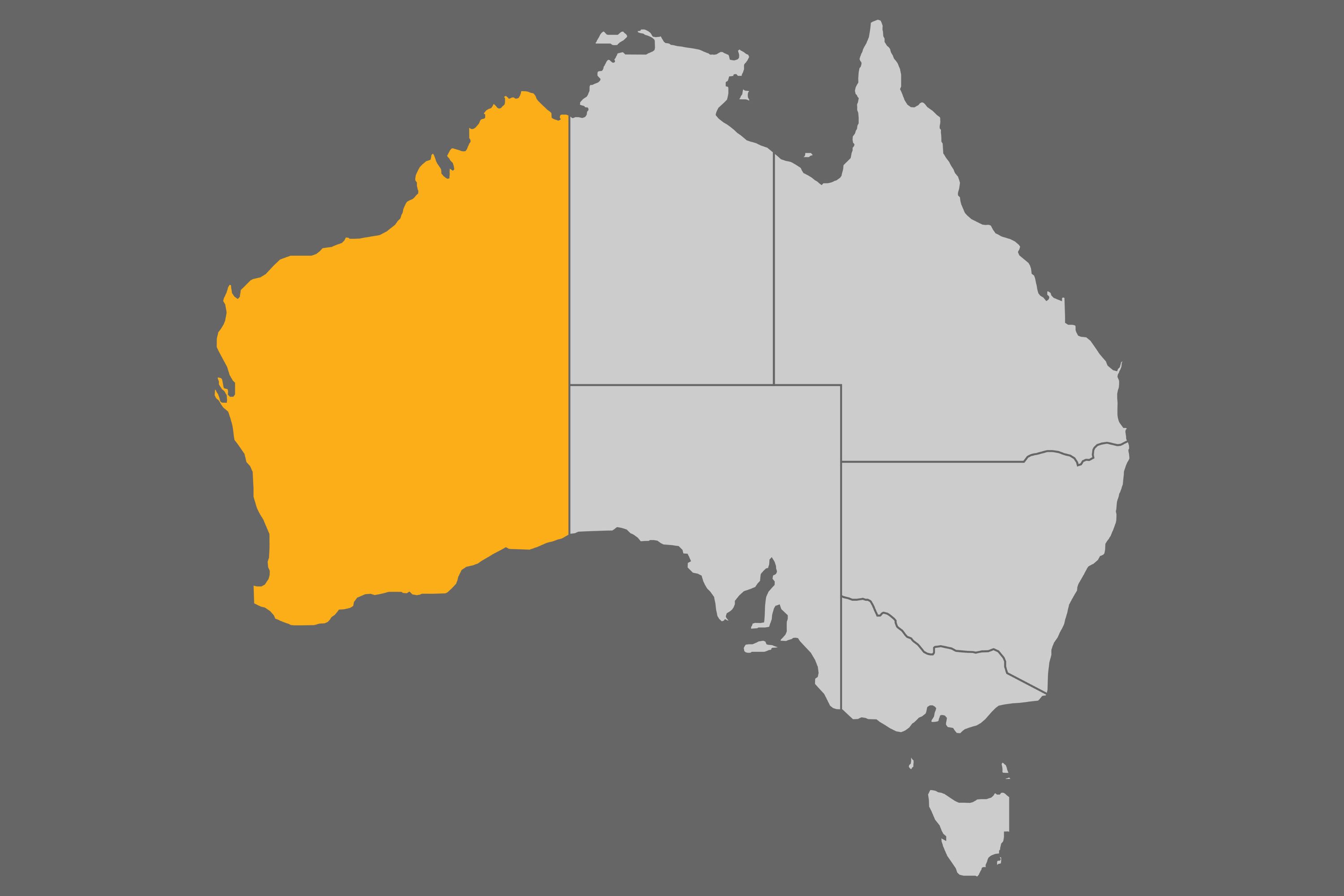
Currently, there are no specific state government incentives in Western Australia for upgrading water heating systems, but you are eligible for the federal government incentive listed above. However, your local plumbers at Swan’s Professional Plumbing will always let you know if this changes.
More Ways You Can Save On a New Hot Water System Installation
WA Senior Cardholders Save 10% on Plumbing Services
Whilst there may be no State Government financial incentives for a hot water system upgrade, seniors in Perth can take advantage of Swan’s Professional Plumbing’s seniors discount! All eligible WA seniors cardholders can take 10% off selected services and are eligible for a free plumbing health check each year.
Call Swan’s Professional Plumbing Today
Don’t wait to enjoy reliable hot water and lower energy bills. Call Swan’s Professional Plumbing now or book online for a free on-site quote and expert hot water system installation. Upgrade your hot water and start saving today!
Frequently Asked Questions
No, at this point in time there are no free hot water system initiatives from the Australian Federal or State Governments. However, if this changes, our team will be sure to let you know.
Determining the most energy-efficient hot water system for your home involves considering several factors, such as household size, hot water usage patterns, climate, and budget.
For example, larger households typically require pump hot water systems with greater capacity, and high peak usage households benefit from heat pumps with fast recovery rates. When it comes to budget, considerations include both upfront costs and long-term energy savings, as more energy-efficient appliances like solar and heat pumps can have higher initial costs but lower operating expenses.
We have an article highlighting the different types of hot water systems to help you learn more.
Heat pumps and solar hot water systems are considered more energy efficient because they utilise renewable energy sources and efficient heat transfer methods.
Heat pump systems extract heat from the ambient air using a refrigeration cycle, yielding up to three to four times the energy they consume in electricity, making them significantly more efficient than traditional electric or gas hot water systems.
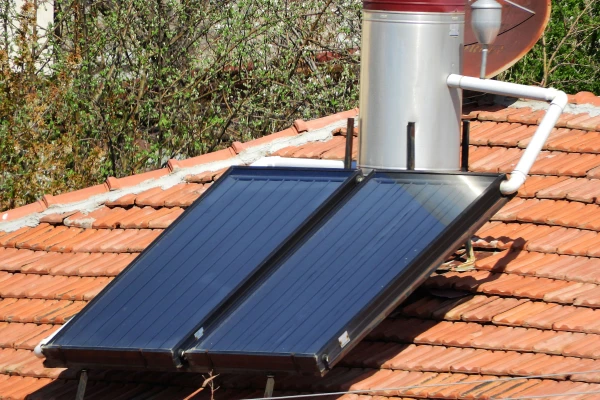
Solar hot water systems capture sunlight using rooftop solar collectors, providing a sign of a household's needs depending on the climate. Both systems reduce greenhouse gas emissions and operational costs compared to conventional hot water systems.